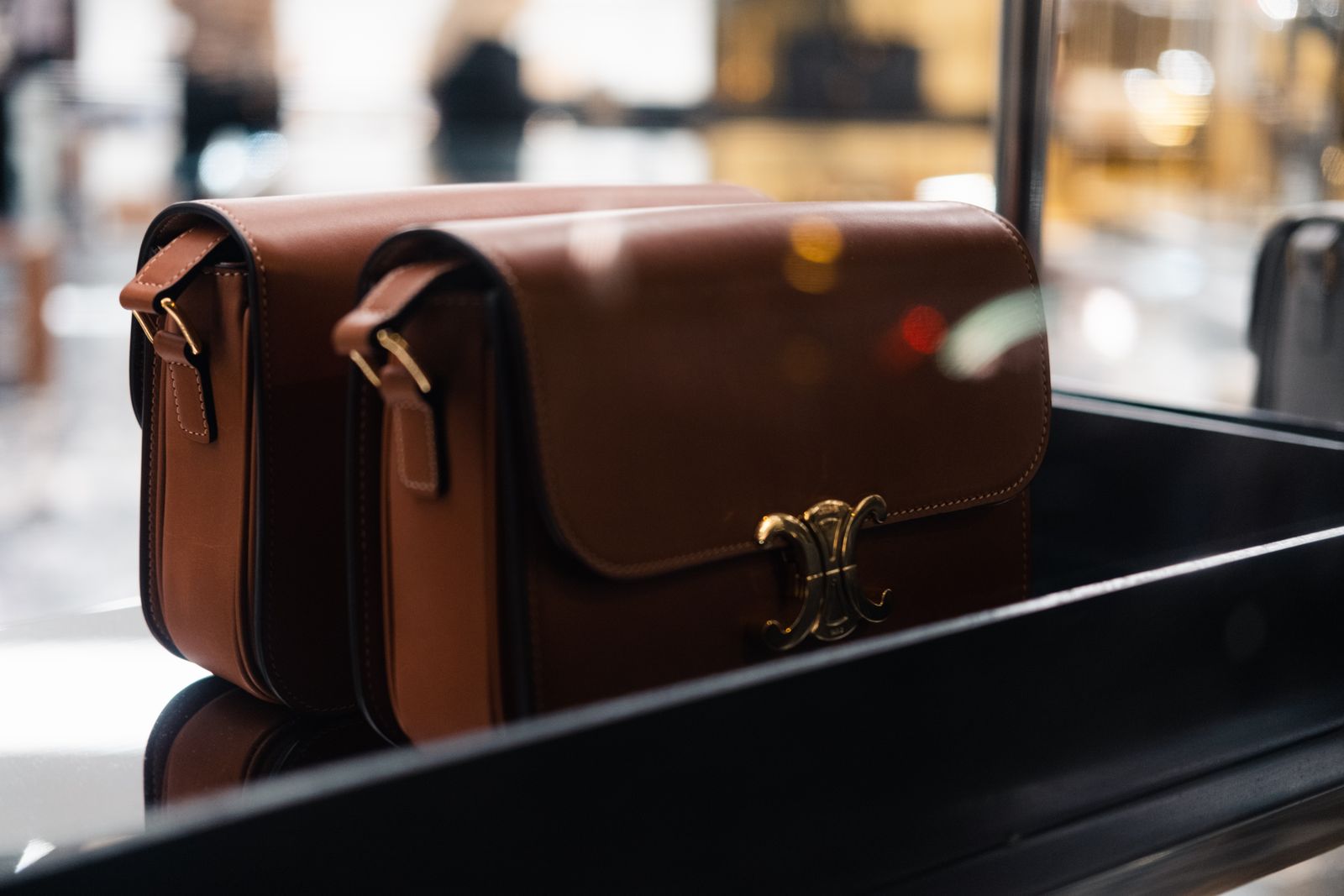
The phrase affordable luxury has been so thoroughly co-opted by marketing departments that it has nearly lost its meaning. In fashion circles, it often refers to little more than a recognizable logo attached to a mass-produced garment. But genuine affordable luxury — the pursuit of real quality, honest materials, and considered construction at prices that do not require a couture budget — is not only possible but increasingly available. It simply requires knowing where to look and what to value.
Redefining What Luxury Means
The first step toward accessible quality is abandoning the equation of luxury with brand recognition. A monogram printed on a polyester blend is not luxury, however much it costs. True luxury is defined by material integrity, construction quality, and design coherence — characteristics that can be found at many price points if one knows how to evaluate them. The question is not who made a garment but how it was made, what it was made from, and whether it will still be worth wearing in five years.
Material Literacy
The single most important skill for anyone seeking affordable luxury is material literacy — the ability to read a fabric content label and understand what it means. Full-grain leather versus bonded leather. Long-staple cotton versus short-staple. Virgin wool versus recycled wool. Silk versus silk-blend. These distinctions determine not only how a garment looks and feels but how it ages. A bag made from full-grain vegetable-tanned leather will develop a patina over decades; one made from bonded leather will peel within two years. Learning to identify quality materials is the foundation of every wise purchase, and it costs nothing but time.
Construction Clues
Beyond materials, construction quality is visible to anyone who learns to look for it. Turn a garment inside out and examine the seams: are they finished or raw? Are the stitches even and tight? Are the buttons securely attached with shanks, or simply sewn flat? Is the lining silk or polyester? A well-constructed garment from a lesser-known maker will outlast and outperform a poorly constructed one from a famous house. The makers who invest in construction rather than marketing are often the ones offering the best value.
Where to Find Genuine Quality
The landscape of accessible quality is broader than many consumers realize. It includes categories and sources that sit outside the traditional luxury hierarchy but deliver genuine craftsmanship and materials.
Mid-Tier Heritage Brands
Many heritage houses operate tiers below their flagship lines that offer genuine quality at more accessible prices. These may use slightly less expensive materials — a wool-silk blend rather than pure silk, for instance — but maintain the construction standards and design integrity of the parent house. The key is distinguishing these legitimate diffusion lines from licensed products that carry a heritage name but share nothing with the house except a logo. Researching whether a product is made in the house's own workshops or licensed to a third-party manufacturer is essential.
Independent Artisans and Small Workshops
Some of the best value in fashion today comes from independent makers — small workshops producing leather goods, knitwear, and tailored pieces without the overhead of a global brand. These artisans often use materials equal to those found in luxury houses, because they source from the same mills and tanneries, but their prices reflect the absence of marketing budgets, retail markups, and corporate margins. A hand-stitched leather bag from a single workshop in Florence may cost a fraction of a comparable piece from a famous house, while using identical leather and construction techniques. Discovering these makers requires research — reading specialist publications, visiting craft fairs, and following recommendations from knowledgeable communities — but the value is exceptional.
The Vintage Market
The vintage and pre-owned market offers perhaps the most compelling entry point to genuine luxury. A well-made garment or accessory from twenty or thirty years ago, properly cared for, can offer quality that is simply unobtainable new at any price — because the materials, construction techniques, or workshops no longer exist. Vintage pieces from heritage houses frequently sell for less than new mid-range items, while offering superior materials and construction. The key is condition assessment: learning to evaluate wear, damage, and repair quality, and buying from reputable dealers who authenticate their stock.
A Framework for Considered Purchasing
Affordable luxury is ultimately a practice, not a category. It is the discipline of evaluating each purchase against consistent standards of material, construction, and design — regardless of the label. The most valuable habit is patience: waiting for the right piece rather than settling for an available one, and building a wardrobe slowly around objects that will last. A closet of five well-chosen pieces will serve better than one of fifty impulse buys, and the cost per wear — the only metric that truly matters — will almost always be lower. Luxury is not about what you spend. It is about what you choose.