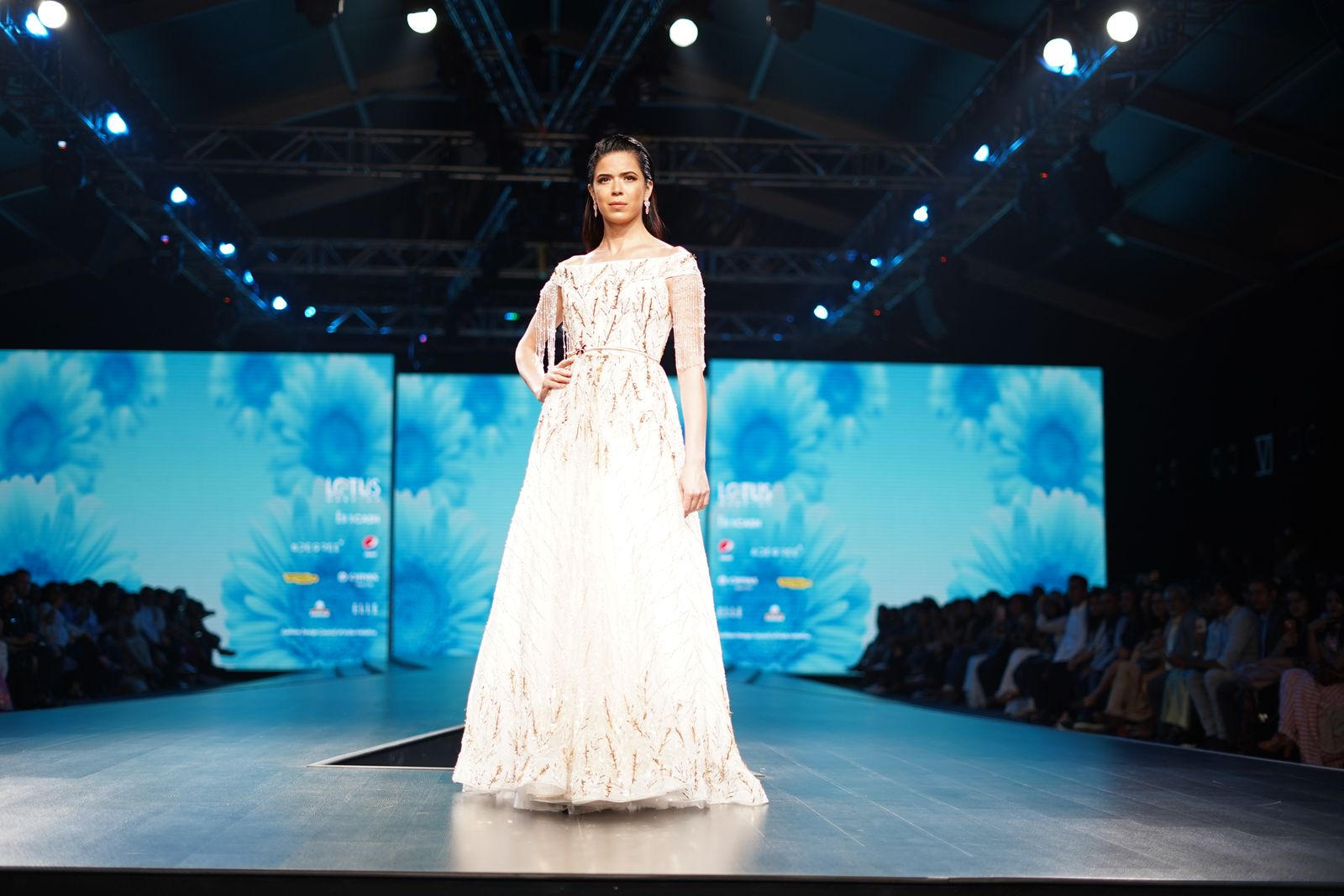
The term haute couture is used casually in fashion commentary, often as a shorthand for anything expensive or elaborate. But in its proper sense, haute couture is a legally protected designation governed by strict rules established by the Chambre Syndicale de la Haute Couture in Paris. It refers to a specific category of garment production that represents the most labor-intensive, most exclusive, and most technically demanding tier of fashion creation — a tier so rare that only a handful of houses in the world qualify for it each season.
The Legal Definition and Its Requirements
Haute couture is not a marketing term. It is a designation awarded by the Fédération de la Haute Couture et de la Mode, the French regulatory body that oversees the industry. To qualify, a house must meet criteria that have been refined over more than a century. These requirements are not flexible, and they exist to protect both the integrity of the designation and the livelihoods of the artisans whose skills it depends upon.
The Technical Criteria
A couture house must maintain an atelier in Paris employing a minimum of twenty full-time technical staff. It must present a collection of at least fifty original designs — both daywear and eveningwear — twice a year, in January and July, as part of the official Paris Haute Couture Week calendar. Each garment must be made to order for a private client, with multiple fittings, and largely hand-sewn. The house must also offer a made-to-measure service, meaning clients can request modifications and bespoke pieces beyond the presented collection.
The Membership Tiers
The Chambre Syndicale recognizes several tiers of membership. Full members are the historic French houses that have met the criteria for years. Corresponding members include foreign houses that meet equivalent standards, such as certain Italian and British brands. Guest members are newer houses invited to show on the calendar, often as a stepping stone toward full membership. The distinction matters because the designation is not permanent — a house that fails to maintain its atelier or its output can lose its status, a consequence that has been enforced.
The Client Experience
Haute couture is not purchased off a rack. The process begins with a private appointment at the house's couture salon, where the client views the collection presented on house models. A garment is selected, and the client's measurements are taken — often dozens of precise measurements that account for posture, stance, and asymmetry. A toile is then constructed in the client's exact measurements and fitted on their body. The final garment, cut from the chosen fabric, may require three to six fittings over a period of weeks or months before it is delivered. A single evening gown can require between 150 and 1,000 hours of handwork, depending on its complexity.
The Economics of Couture
It is an open secret that haute couture does not generate profit in any conventional sense. The prices charged — which can range from twenty thousand to several hundred thousand euros for a single garment — rarely cover the true cost of production when the labor of dozens of artisans is accounted for. The houses that maintain couture lines do so not for direct revenue but for what the designation confers: prestige, press coverage, brand identity, and a laboratory for techniques that eventually filter down into ready-to-wear and accessories. Couture is, in commercial terms, a marketing investment — but one that produces objects of extraordinary beauty and technical achievement.
Why Haute Couture Still Matters
There are perhaps two thousand couture clients in the world today, a number so small that the entire enterprise could seem irrelevant. Yet the influence of couture extends far beyond its immediate audience. The techniques developed in couture ateliers — new methods of draping, embroidery, pleating, and construction — eventually find their way into the broader fashion ecosystem. The artisans trained in couture workshops carry their skills into other houses and other industries. And the image of couture — the idea that clothing can be art, that a garment can be worthy of months of a person's labor — shapes the aspirations of designers and customers alike.
Preserving Craft in a Digital Age
The most pressing question facing couture today is succession. The artisans who create these garments are aging, and the pipeline of younger craftspeople entering the field is thin. Several houses have responded by establishing in-house training programs, partnering with specialized schools, and even acquiring the artisan workshops they depend on to ensure their survival. The future of haute couture will depend less on the vision of its creative directors than on the hands of its petites mains — the men and women whose skills, accumulated over decades, represent an irreplaceable inheritance that no technology can yet reproduce.