There is a particular kind of confidence that comes from carrying a well-made handbag. It is not about logos or conspicuous branding, though those things have their own cultural moment. It is about the quiet assurance that the object in your hand was made with intention, that it will hold its shape through years of use, and that it will still look considered a decade from now. The phrase "investment handbag" gets used loosely in fashion editorial, often as a euphemism for expensive. But a high price alone does not make a bag an investment. A true investment piece is one whose value, both aesthetic and practical, compounds over time rather than diminishing the moment it leaves the boutique.
Material as the Foundation of Value
The single most important factor in whether a handbag qualifies as an investment is the material from which it is made. Leather quality determines not only how the bag looks on the day of purchase but how it ages, how it responds to care, and ultimately how long it remains usable. Understanding the distinctions between leather grades is the first step in making an informed decision.
Full-Grain and Top-Grain Leathers
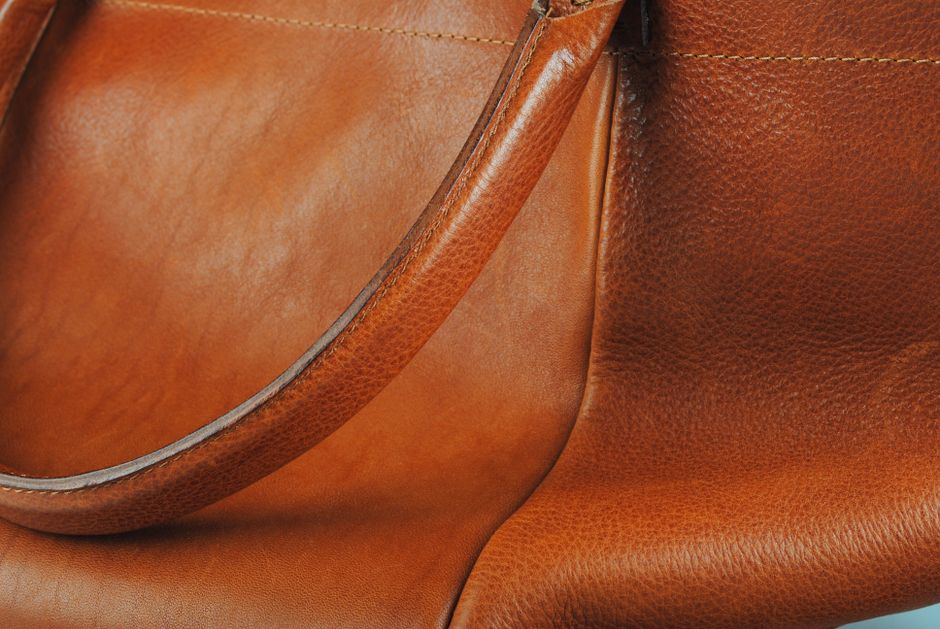
Full-grain leather is the highest quality available. It retains the complete natural grain of the hide, including the imperfections that prove its authenticity. These marks, far from being flaws, are what give full-grain leather its character. Over time, it develops a patina, a soft sheen that comes from handling and exposure, which actually improves its appearance. Top-grain leather is the second tier. The surface is lightly sanded to remove imperfections, then finished with a protective coating. It is more uniform in appearance and slightly more resistant to staining, but it will not develop the same depth of patina. Both are legitimate choices for an investment bag, but full-grain offers a richer aging process.
Exotic Skins and Embossed Alternatives
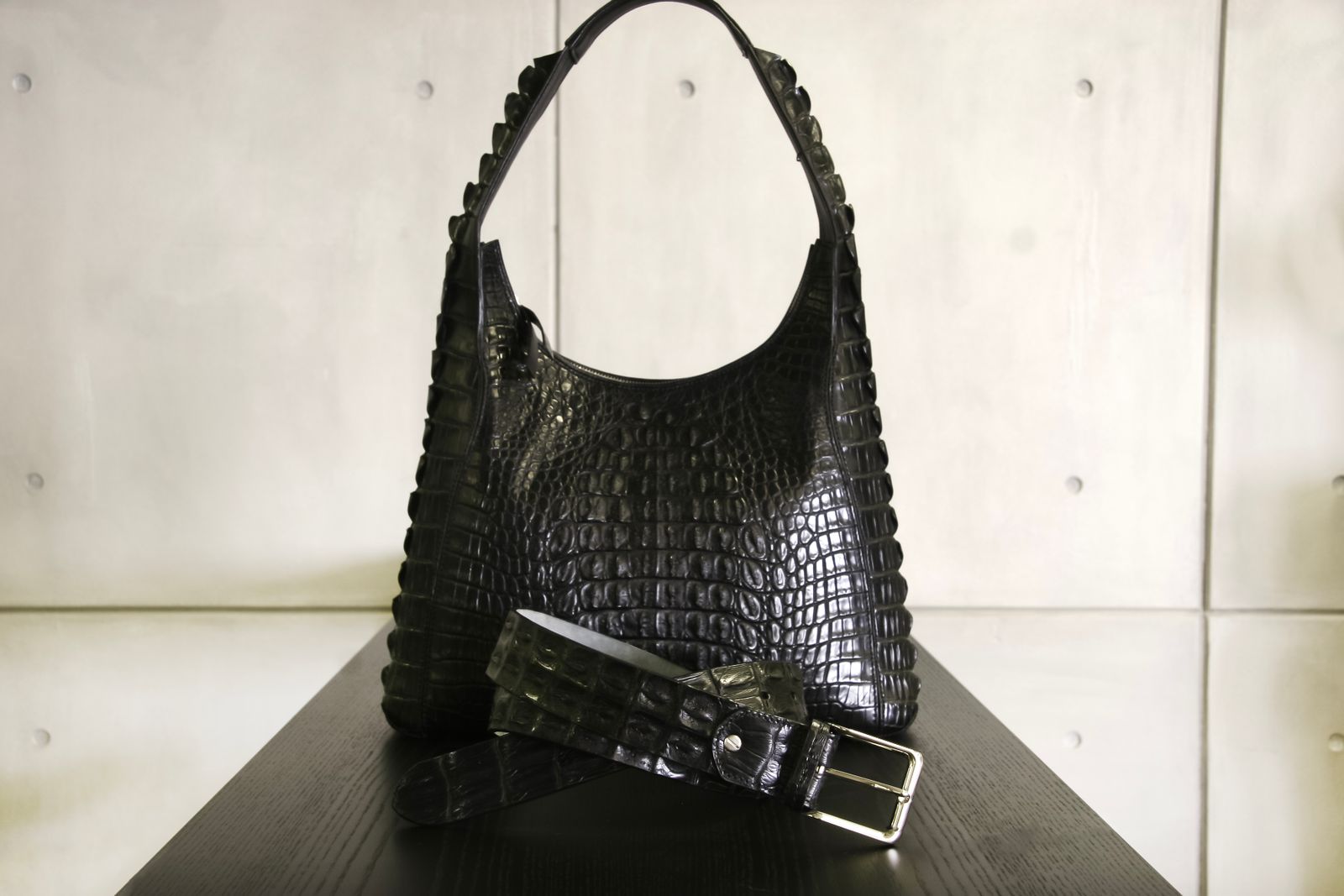
Crocodile, alligator, and ostrich leathers occupy the upper register of the handbag market. These materials are prized for their distinctive textures and their relative scarcity. Genuine exotic skins require careful sourcing and documentation, and their value reflects that complexity. For those who want the aesthetic without the ethical or financial commitment, embossed calfskin offers a convincing alternative. A skilled tannery can press a natural grain pattern into ordinary leather that closely mimics the texture of crocodile or lizard. The result is visually similar, though it will not age in the same way as the genuine article.
Construction: What You Cannot See Matters Most
Material is what you see and touch. Construction is what determines whether the bag holds together after five years of daily carry. The methods used to assemble a handbag vary widely, and the differences are not always visible from the outside. Learning to identify quality construction will protect you from paying a premium for something that is merely assembled rather than crafted.
Stitching and Edge Finishing
Examine the stitching on any handbag you are considering. Saddle stitching, in which two needles pass through each hole from opposite directions, is the gold standard. It is done by hand and is far more durable than machine lockstitching, which can unravel if a single thread breaks. The stitch should be even, neither too tight nor too loose, and the thread should be waxed for water resistance. Edge finishing is another indicator. A painted edge, built up in layers and polished between applications, signals attention to detail. A raw or hastily finished edge suggests corners were cut elsewhere too.
Hardware and Linings
Hardware should feel substantial. Zippers should operate smoothly without catching. clasps should align precisely. Metal components should be solid brass or steel, not plated alloys that will chip and tarnish. The lining is equally telling. A bag lined in suede, cotton twill, or silk speaks to a manufacturer who considered the interior experience, not just the exterior impression. Cheap synthetic linings that pill and tear are a sign that the bag was built to a price point rather than a standard.
Design Longevity and the Test of Time
A bag can be flawlessly constructed from beautiful leather and still fail as an investment if its design is tied to a passing trend. The most enduring handbags share certain characteristics. They are proportioned in a way that flatters the body rather than competing with it. They avoid excessive hardware or overt branding that dates them to a specific season. They are versatile enough to move from day to evening, from casual to formal, without looking out of place. When you are evaluating a potential investment bag, ask yourself whether you can imagine carrying it in ten years. If the answer is uncertain, the design may be too of its moment to qualify.
Proportion and Scale
A bag that is too large overwhelms the wearer and becomes a burden. One that is too small sacrifices function for form. The most useful investment bags fall in a middle range, large enough to hold daily essentials but proportioned to the body of the person carrying them. Consider your own height and frame when choosing a scale. What looks balanced on a showroom shelf may look different on your shoulder.
Resale, Heritage, and the Question of Brand
For some buyers, resale value is part of the investment calculus. Certain houses, particularly those with long heritage and controlled distribution, maintain stronger secondary market prices than others. This is a legitimate consideration, but it should not be the only one. A bag that holds its resale value but does not suit your life is not an investment in your wardrobe, only in your portfolio. The most worthwhile investment handbag is one you will actually use, one that earns its place through daily service rather than sitting in a dust bag waiting for appreciation. Choose with your eye, your hand, and your habits in mind, and the value will take care of itself.