For the better part of a decade, fashion has chased ease. Soft shoulders, elasticated waists, and the glorified sweatpant became the language of everyday dressing, blurring the line between home and street until the distinction nearly disappeared. But the runways of 2026 tell a different story. Across Milan, Paris, and London, designers have reached back into the atelier for something the stretch-knit era had quietly retired: the structured shoulder, the pressed crease, the jacket that holds its shape even when you are not wearing it. Tailoring is back, though it does not look the way you remember it.
This is not the boardroom power-suiting of the late eighties, nor the slim-fit uniform that dominated the early 2010s. The new tailoring is architectural without rigidity, precise without being restrictive. It borrows the comfort vocabulary of the loungewear years — a higher armhole that allows movement, a slightly dropped shoulder that softens the line — and applies it to garments that still command attention. The result is a silhouette that reads as polished from across the room but feels, against the body, almost forgiving. After years of dressing down, the industry is asking what it might mean to dress with intention again.
The Anatomy of the New Shoulder
If there is a single feature that defines the return of tailoring, it is the shoulder. Designers have spent several seasons experimenting with how to reintroduce structure without reviving the stiff, padded look that made earlier suits feel armor-like. The solution has arrived through a subtle rethinking of proportion rather than a return to heavy construction.
Soft Structure Over Padding
The contemporary shoulder relies on a lighter internal architecture. Canvas chest pieces are thinner, and in many cases half-canvassed construction has replaced the fully canvassed or fused approaches of the past. The effect is a jacket that still breaks cleanly across the collarbone and frames the face, but moves with the wearer rather than against them. Italian houses in particular have championed this spalla cadduta — the natural shoulder — allowing the fabric to fall from a minimal, almost imperceptible pad.
The Extended Shoulder Line
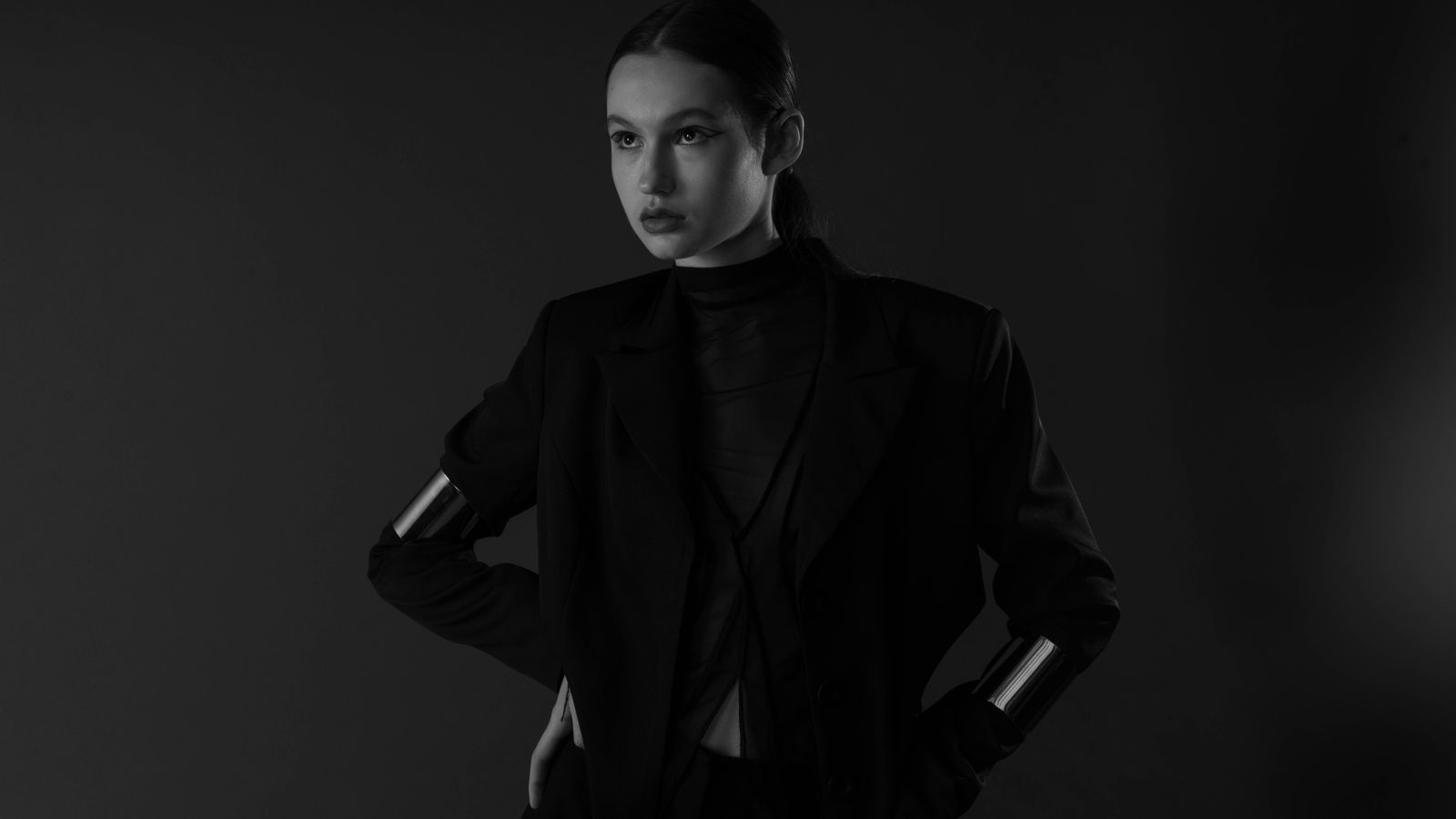
Alongside the softer interior, several collections have pushed the shoulder line slightly outward, extending it a centimeter or two beyond the natural point. This creates a more commanding silhouette, widening the frame in a way that feels deliberate rather than bulky. Paired with a suppressed waist, the extended shoulder produces an hourcode-like geometry that reads as confident on runways and, increasingly, on the street.
From Boardroom to Weekend: Tailoring's New Context
What separates 2026's tailoring from its predecessors is context. The suit is no longer reserved for the office or the occasion. Designers are styling single-breasted jackets over fine-gauge knitwear, pairing tailored trousers with technical sneakers, and showing waistcoats worn alone with relaxed trousers. The message is that a structured jacket is now a wardrobe ingredient rather than a complete uniform — something to be mixed, broken apart, and recontextualized.
This shift has practical implications for how consumers build wardrobes. Instead of investing in a single matching set worn only for interviews and weddings, the modern approach favors separates: a well-cut navy jacket that works over a merino crewneck on Friday and a crisp poplin shirt on Monday; tailored trousers in a neutral wool that pair equally with a knit polo or a silk blouse. The versatility is the point. Tailoring, once the most formal category in fashion, has become one of the most adaptable.
Fabric Innovation Driving the Revival
The renewed appetite for structure would mean little if the cloth itself had not evolved. Fabric mills have responded to the demand for polished garments that still feel livable, developing high-twist wools with natural stretch, wrinkle-resistant blends that survive a transatlantic flight, and featherweight flannels that drape like silk while holding a crease. These technical advances are invisible to the eye but transformative to the hand and to the wearing experience.
Tropical wools, traditionally reserved for summer, now appear year-round in lighter weights. Stretch-wool blends, once dismissed by purists, have gained acceptance as the line between performance and luxury blurs. Even traditionalists are acknowledging that a fabric which moves with the body is not a compromise of craftsmanship but an extension of it. The mill, not the runway, may be the quiet engine behind tailoring's return.
Who Is Wearing It and Why It Matters Now
The audience for the new tailoring skews younger than traditional suit buyers might expect. Style-conscious professionals in their late twenties and thirties — a generation that came of age during the athleisure boom — are discovering structured clothing for the first time, often through secondhand markets and independent makers rather than heritage brands. For them, a tailored jacket is not a workplace obligation but a form of self-expression, a way to signal care and intention in a culture saturated by the casual.
There is also a cultural dimension to the revival. After years of collective informality accelerated by remote work and social shifts, the act of putting on something structured has acquired a kind of ritual weight. Dressing with structure asks the wearer to slow down, to consider proportion and fit, to engage with clothing as a craft rather than a convenience. In that sense, the return of tailoring is less about nostalgia for a lost dress code and more about a renewed appetite for meaning in the everyday. The structured shoulder is back, but the reason it matters has changed entirely.