Few garments in the modern wardrobe carry the history of the trench coat. Born from military necessity in the early twentieth century, it has transcended its utilitarian origins to become a symbol of understated elegance. Yet for all its ubiquity, the trench remains one of the most frequently misfit garments. The wrong cut, length, or proportion can overwhelm a frame rather than flatter it. This guide breaks down the elements that distinguish a trench coat that works from one that merely exists in your closet, offering a framework for finding the right one for your body and your life.
Understanding the Trench Coat Silhouette
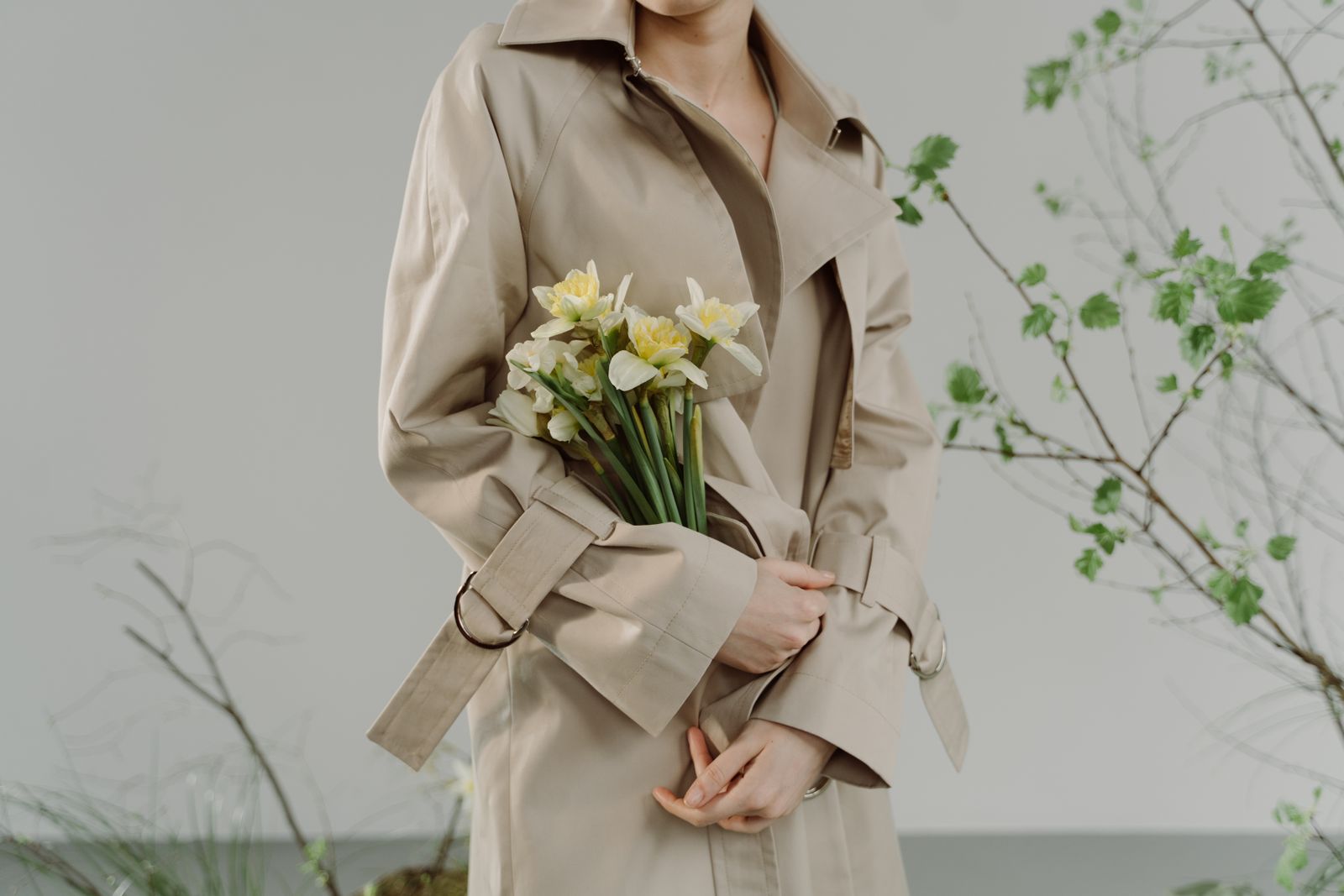
The classic trench is defined by specific structural elements: double-breasted closure, storm flap, epaulettes, a belt, and a raglan sleeve. Each of these details was originally functional, designed to shed rain and accommodate military equipment. Today, they serve a visual purpose, and their proportion and placement determine whether the coat flatters or overwhelms. The key is understanding that these elements are not fixed — they vary across cuts, and the variation is where the right fit lives.
The Classic Double-Breasted
The traditional double-breasted trench with a full belt is the most recognizable version. It works best on frames with some height and definition at the waist, because the belt and the double row of buttons create horizontal lines that can broaden the torso. On petite frames, the classic cut can swallow the silhouette. If you are drawn to the traditional style but are shorter in stature, look for a version with a slightly higher button stance and a narrower lapel — these adjustments preserve the character of the coat while reducing its visual weight.
The Single-Breasted Interpretation
Many contemporary trenches dispense with the double-breasted closure in favor of a single-breasted front. This cut is more forgiving across body types because it creates a continuous vertical line down the center of the body. Without the double button rows, the coat reads lighter and more modern. The single-breasted trench is an excellent choice for those who find the classic version too heavy or too formal. It retains the storm flap and belt — or offers a belt option — while streamlining the overall impression.
Length: The Most Critical Decision
If there is one element that determines whether a trench coat works, it is length. The wrong length can disrupt the proportions of your entire outfit, while the right one creates a long, unbroken line that flatters every frame. Length should be chosen with your height and your typical outfit proportions in mind.
Midi and Mid-Thigh Lengths
A trench that falls between mid-thigh and just below the knee is the most versatile length. It works over trousers, skirts, and dresses without competing with the hemline of what lies beneath. This length is particularly effective for petite frames because it does not cut the body in half visually. The mid-thigh trench is the most casual option, reading as a light outerwear piece rather than a statement coat. The midi length, ending just below the knee, is slightly more polished and transitions more easily into professional and evening contexts.
Long and Floor-Skimming Cuts
A trench that falls to the mid-calf or ankle is dramatic and elegant, but it demands height. On taller frames, a long trench creates a striking column that elongates the silhouette further. On shorter frames, the same length can look like the coat is wearing the person. If you are moderate in height and drawn to the long trench, look for a version with a single-breasted closure and minimal hardware to reduce visual weight, and consider a fabric with some drape rather than a stiff cotton gabardine, which can stand away from the body and add bulk.
Fabric and Seasonal Considerations
The traditional trench fabric is cotton gabardine — tightly woven, water-resistant, and structured. It is ideal for spring and autumn but too heavy for summer and too light for deep winter. Contemporary trenches are available in a range of materials that expand the coat's seasonal range. A lightweight cotton or technical blend works for warm-weather layering. A wool-blend trench extends the coat into colder months. For wet climates, look for treated fabrics or technical materials that maintain the trench silhouette while offering genuine water protection. The fabric weight should match your primary wearing season; a heavy gabardine purchased for summer wear will go unworn, while a lightweight version will fail you in November.
The Details That Matter
Beyond cut and length, the details of a trench coat determine its quality and longevity. Examine the hardware: horn or matte-finished buttons are preferable to shiny plastic, which signals a lower-quality garment. The belt should be substantial enough to tie without looking flimsy, and the buckle — if present — should feel solid. The storm flap and epaulettes should lie flat without curling. Check the lining: a half-lined coat breathes better in warm weather, while a full lining adds structure and warmth. Finally, the shoulder: because most trenches use a raglan sleeve, the shoulder fit is more forgiving than a set-in sleeve, but the coat should still sit cleanly across the upper back without pulling or bunching. When these details are right, the coat will look better and last longer.
The trench coat is one of the rare garments that rewards careful selection with decades of wear. It does not follow trends; it sets a standard. When you find the right cut, length, and fabric for your frame, you acquire a piece that will outlast fashion cycles, weather transitions, and the inevitable shifts in your own wardrobe. That is the enduring appeal of the trench — not its history, but its capacity to become a quiet constant in a closet of variables.