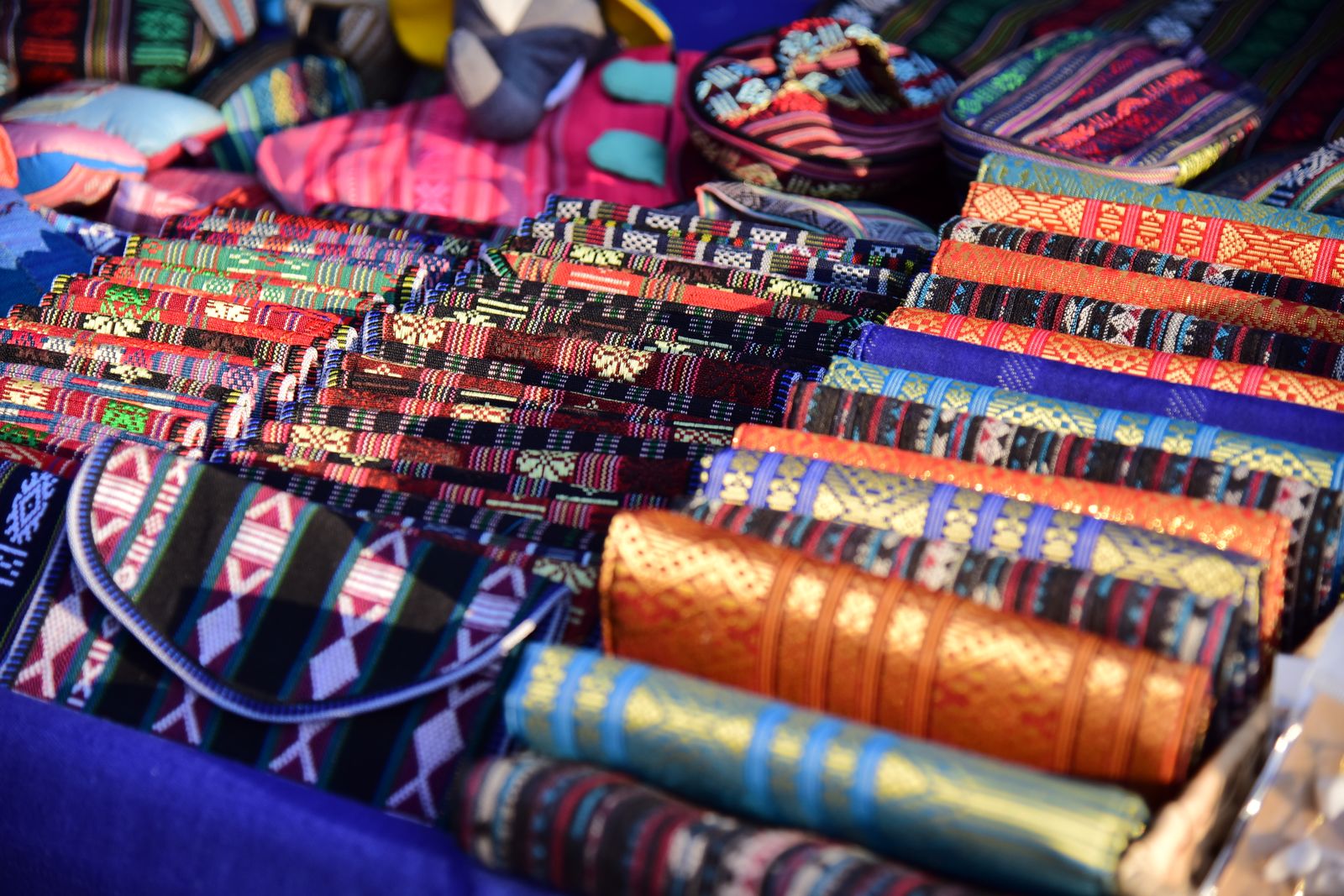
Fashion has a problem that it cannot design its way out of. The industry that teaches the world how to desire is also one of the most environmentally destructive on the planet. The numbers are by now familiar — the water consumed, the carbon emitted, the garments discarded into landfills at a rate that defies comprehension. Yet the conversation about sustainability in fashion has a tendency to stall at the point of confession. Everyone agrees there is a problem. Few agree on what constitutes a solution, and fewer still agree on who should bear the cost. The tension between the desire that fashion exists to provoke and the responsibility that the planet demands is not a puzzle to be solved but a condition to be navigated. This is an examination of that navigation — the genuine efforts, the cynical gestures, and the difficult truths that lie between them.
The Scale of the Problem
Before discussing solutions, it is worth being precise about what is being solved. The fashion industry's environmental footprint is not a single issue but a cascade of interconnected ones, each rooted in a different stage of a garment's life.
Material Sourcing and the Cotton Question
Conventional cotton is a thirsty crop. A single t-shirt can require thousands of liters of water to produce, much of it drawn from regions where water is already scarce. The pesticides used in conventional cotton farming degrade soil and contaminate waterways. Alternative fibers present their own complications. Viscose, derived from wood pulp, depends on forests that are not always managed responsibly. Polyester, the most used fiber in the world, is a petroleum product that sheds microplastics into water systems with every wash. There is no innocent material. Every choice involves a trade-off, and the industry's tendency to champion a single fiber as the answer — organic cotton one year, recycled polyester the next — obscures the fact that the problem is systemic, not material.
The Speed Problem
Fast fashion's business model depends on volume: producing more garments, more quickly, more cheaply, and convincing consumers to buy more of them. The environmental logic of this model is catastrophic. A garment worn a handful of times before disposal represents not only wasted material but wasted labor, wasted transport, and wasted energy. The speed of the trend cycle — once two seasons a year, now effectively continuous — accelerates everything. When a dress is designed to be relevant for six weeks, no amount of recycled fabric offsets the fundamental unsustainability of its intended lifespan. The speed problem is not a manufacturing issue. It is a business model issue, and it cannot be solved without confronting the economics that drive it.
Between Greenwashing and Genuine Effort
The gap between marketing claims and actual practice is the central difficulty in evaluating fashion's sustainability efforts. The language of environmental responsibility has been thoroughly absorbed by the industry's communication apparatus, often faster than the practices that language describes.
Reading the Claims
A collection marketed as "sustainable" may contain a small percentage of recycled material while the remainder is conventional. A brand may advertise a take-back program that collects garments but does not publish data on what happens to them afterward. A label may boast of carbon neutrality achieved through offsets whose effectiveness is difficult to verify. These are not necessarily lies, but they are not necessarily truth either. They are carefully constructed statements designed to respond to consumer concern without requiring fundamental changes to the business model. The consumer who wants to shop responsibly is forced to become a kind of auditor, reading claims with the skepticism of an investigator and the patience of a researcher. Most consumers, understandably, do not have the time.
Certifications and Their Limits
Third-party certifications exist to bridge the trust gap, but they are imperfect instruments. Standards for organic textiles, fair labor, and responsible forestry each cover a specific dimension of a garment's impact, but none covers all of them. A garment can be certified organic and still be produced in a factory with exploitative labor practices. A brand can hold a certification for responsible sourcing and still produce at a volume that is environmentally untenable. Certifications are useful — they are better than self-reporting — but they are not a substitute for the structural changes the industry needs.
What Actually Helps
Despite the noise, some approaches to sustainability in fashion are demonstrably effective, even if none is sufficient alone. The most meaningful interventions address not the material of the garment but the system that produces and disposes of it.
Repair, Resale, and the Circular Model
The most sustainable garment is the one already in your closet. This is not a slogan but a mathematical truth. Extending the life of a garment by even a few months reduces its environmental footprint significantly. The resurgence of repair culture — visible in visible mending, darning workshops, and brands offering lifetime repair services — represents a genuine counter-current to the disposable model. Resale platforms have grown into a substantial market, and while they are not without complications (the logistics of shipping secondhand goods have their own footprint), they extend the useful life of garments that would otherwise be discarded. The circular model — designing garments to be disassembled, recycled, or composted at the end of their life — remains largely aspirational at scale, but the principles behind it are sound. The answer is not a single solution but a combination: buy less, keep it longer, repair what breaks, and pass it on when you are done. None of this is glamorous. All of it is effective.


