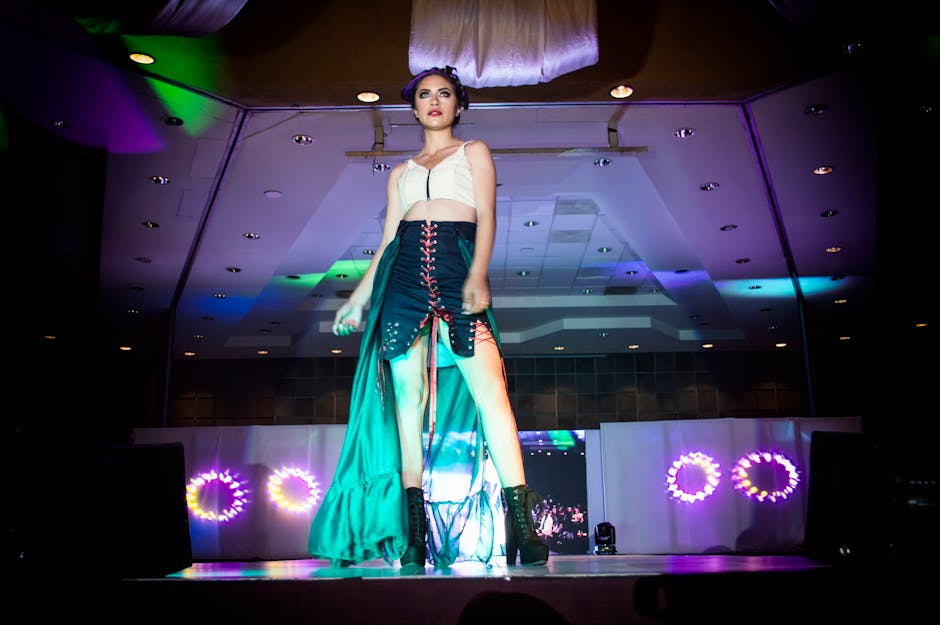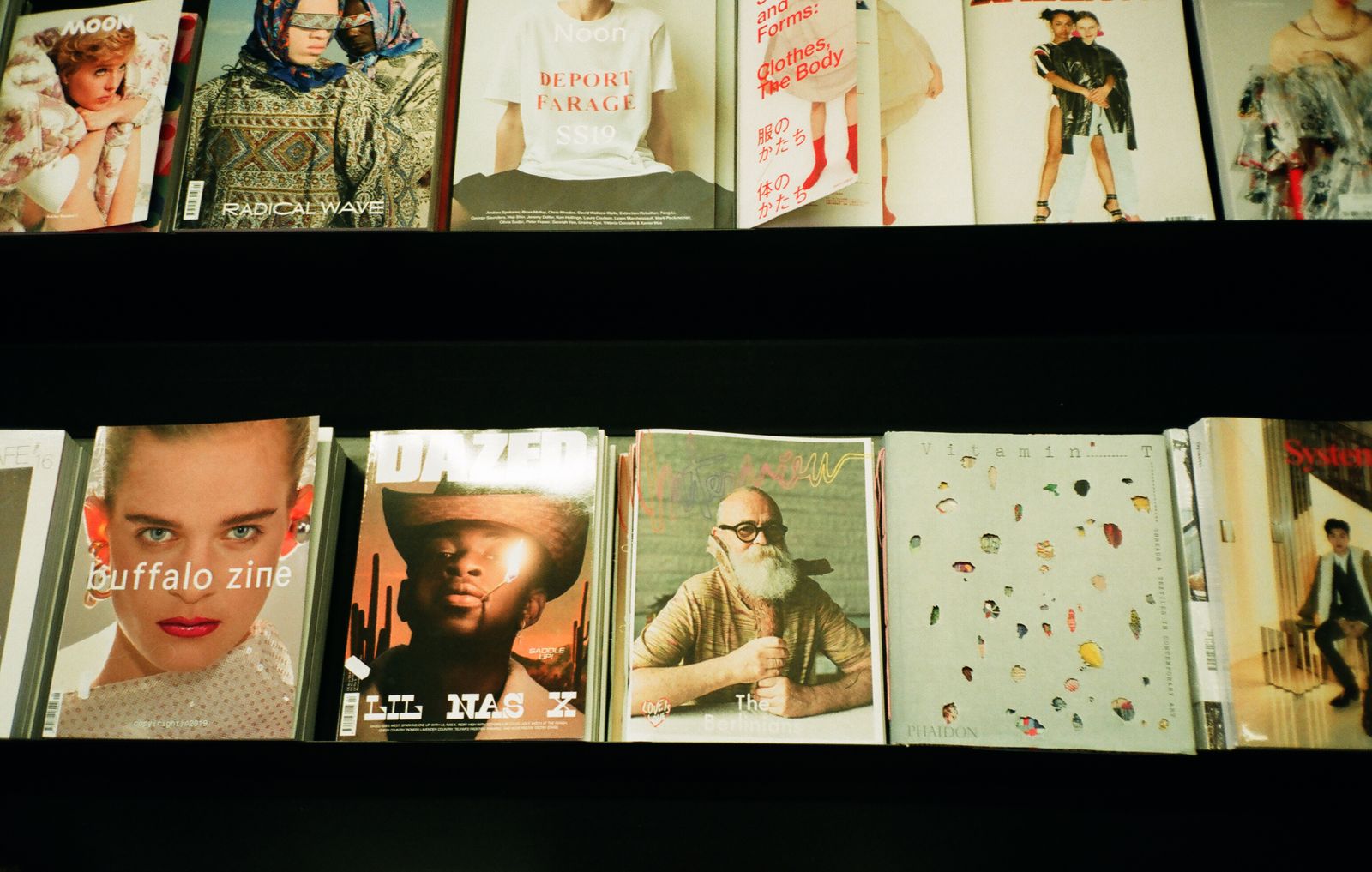
Walk into the Metropolitan Museum of Art on a summer afternoon and you will find something that would have puzzled a curator of fifty years ago: a line of visitors stretching across the lobby, waiting patiently for the chance to look at dresses. Not paintings of dresses, not photographs of dresses — the dresses themselves, mounted on mannequins under museum lighting, treated with the same reverence previously reserved for Rembrandt. The phenomenon is not unique to New York. From the Victoria and Albert Museum in London to the Musée des Arts Décoratifs in Paris, fashion exhibitions have become the most reliable crowd-pullers in the institutional calendar. The question is how the garment crossed the threshold from commodity to artifact — and what that crossing means for both fashion and the museum.
The Argument for Preservation
For most of the twentieth century, museums treated fashion as a secondary concern. Costume departments existed, but they occupied the institutional basement both literally and figuratively. Garments were understood as applied arts, a category that carried a faint whiff of the commercial. A painting was culture; a dress was product. The shift began when curators started arguing — forcefully and publicly — that clothing is a primary document of its era, as legible as any painting and often more revealing.
The Garment as Historical Text
A single dress can tell you what textiles were available, what labor practices produced them, what silhouettes a culture found flattering, and what social rules governed the body it was designed for. A Worth evening gown from 1890 reveals the economics of Parisian couture, the chemical properties of aniline dyes, and the physical constraints imposed by corsetry. Read closely, it is as informative as a census record. Curators who made this argument — Diana Vreeland at the Met, among the most influential — insisted that fashion exhibitions were not exercises in nostalgia but acts of historical interpretation. The garment was not a pretty object behind glass. It was evidence.
The Vreeland Revolution
Diana Vreeland's tenure as special consultant to the Met's Costume Institute in the 1970s and 1980s was transformative. Before Vreeland, costume exhibitions were scholarly and quiet. After her, they were theatrical, atmospheric, and designed to draw crowds. She understood something that many museum administrators did not: clothing must be experienced sensually. A dress shown under flat fluorescent light is a dead object. The same dress shown in a room with painted walls, music, and dramatic lighting comes alive. Vreeland's exhibitions were criticized by some scholars as spectacle, but they filled the museum. The crowds she drew made the argument better than any paper could: the public believed fashion belonged in the museum, even if the academy was not yet certain.
The Blockbuster Era
The current era of fashion exhibitions operates on a scale Vreeland could not have imagined. Blockbuster shows now drive museum attendance figures that rival major art retrospectives, and the economic logic of the institution has shifted to accommodate them.
The Met Gala and the Economics of Attention
The annual Met Gala, timed to open the Costume Institute's exhibition each May, has become the most photographed fashion event in the world. It is easy to be cynical about the gala — the spectacle, the celebrity, the red carpet as content factory — but its institutional function is serious. The money raised funds the Costume Institute's operating budget, and the attention generated drives attendance for months afterward. A successful exhibition can bring in revenue that underwrites less popular programming across the museum. The gala is the mechanism; the exhibition is the point. Without the crowds that fashion reliably draws, many museums would face harder financial arithmetic.
Monographic Shows and the Designer as Auteur
The dominant format of the contemporary fashion exhibition is the monographic retrospective — a single designer's body of work presented with the depth and seriousness once reserved for painters. Recent years have seen major retrospectives of designers whose careers span decades, with galleries organized thematically rather than chronologically. These shows borrow the visual language of the art retrospective: wall texts, audio guides, scholarly catalogues, gift shops. The framing matters. By presenting a designer as an auteur — an author of forms whose work expresses a singular vision — the museum confers a status that the runway alone cannot. The exhibition says: this work is worth preserving, studying, and returning to. It is no longer merely of the moment. It is of the record.
What the Museum Changes
When a garment enters a museum collection, it is transformed. It is no longer worn. It is no longer sold. It is no longer touched. Conservation protocols require controlled temperature, controlled humidity, and minimal light exposure. A dress that was made to move is frozen in position, mounted on a form chosen to suggest the body it once dressed. There is a loss in this — something essential about fashion is its life on the body, in motion, responding to weather and circumstance. The museum cannot preserve that. What it can preserve is the object itself, the craft of its construction, and the cultural moment it represents. The trade-off is real, but the alternative is worse. Without the museum, garments are lost to time, discarded, altered beyond recognition, or simply disintegrated. The exhibition is the compromise the institution offers: fashion cannot live forever, but it can be remembered.