When the air turns and the ground cools, the conversation in footwear shifts. Sandals are retired to the back of the closet and a different category of shoe takes center stage. Boots are the architectural foundation of autumn and winter dressing. They are the footwear equivalent of outerwear, defining the silhouette of the lower half of the body in the same way a coat defines the upper. But boots are not a monolith. They span a range of heights, each with its own proportions, its own practical considerations, and its own way of interacting with the rest of the wardrobe. Understanding these distinctions is the difference between wearing boots and wearing them well.
The Ankle Boot: The Everyday Workhorse
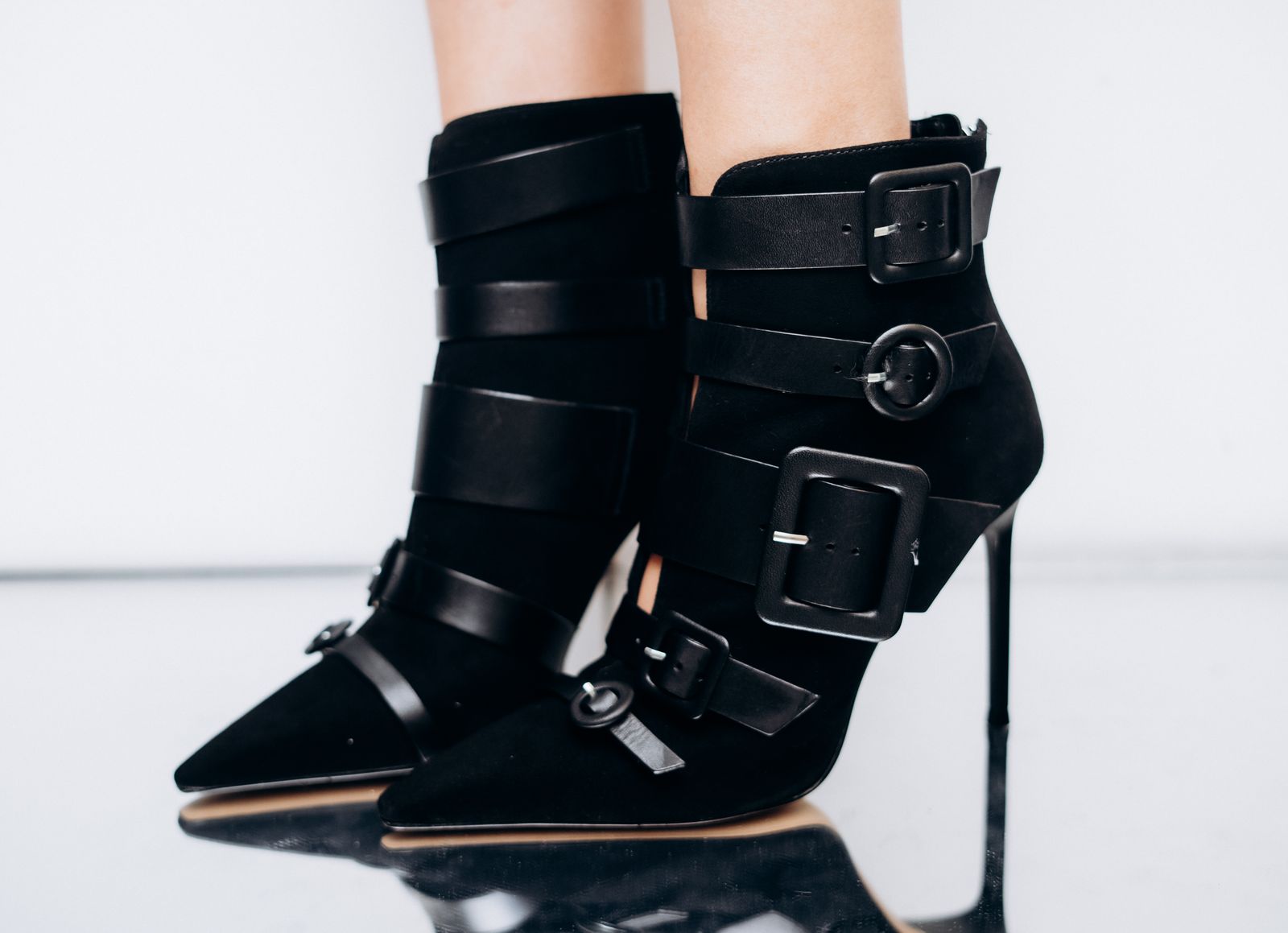
The ankle boot ends at or just above the ankle bone. It is the most versatile boot in the taxonomy, the one that most people will reach for most often. Its brevity makes it compatible with the widest range of clothing, from cropped trousers to full-length denim, from skirts to dresses. The ankle boot does not command the outfit in the way taller boots do. It integrates, providing structure and warmth without dominating the silhouette.
The Chelsea and the Chukka
Within the ankle boot category, two silhouettes have proven especially enduring. The Chelsea boot, with its elastic side panels and pull-on construction, offers a clean, uninterrupted line that works equally well with tailoring and casual wear. Its close fit around the ankle makes it particularly flattering with narrow trousers and cropped silhouettes. The chukka, with its two or three eyelets and crepe or leather sole, is more casual and more forgiving of wider trousers. Both are legitimate foundations for a boot wardrobe, and the choice between them is largely a question of how formal you need your everyday boot to be.
Heel Height and Proportion
Ankle boots come in a range of heel heights, and the choice has both practical and visual implications. A flat or low-heeled ankle boot is the most practical for extended walking and for days that involve unpredictable terrain. A higher heel, whether a block or a stiletto, elevates the silhouette and transitions the boot into evening territory. Consider what you need the boot to do. If it is your primary autumn shoe, a moderate heel that you can walk in confidently is more useful than a dramatic height that limits where you can go.
The Knee-High: Statement and Structure
The knee-high boot ends just below the knee, sometimes at the knee, sometimes slightly above. It is a more assertive silhouette than the ankle boot, one that covers more of the leg and therefore has a greater impact on the overall line of the outfit. The knee-high is the boot that people notice. It is also the boot that requires the most thought to wear well, because its proportions interact directly with the proportions of the clothing around it.
With Skirts and Dresses
The knee-high boot was designed for skirts and dresses. The exposed knee, the line of skin or fabric between the top of the boot and the hem of the garment, is the visual element that makes the combination work. A skirt that ends just above the knee, paired with a boot that ends just below, creates a balanced frame of negative space. A skirt that ends well above the boot creates a longer expanse of leg and a more dramatic silhouette. A skirt that ends below the knee, covering the boot entirely, loses the effect entirely and is generally to be avoided unless the boot is visible through a side slit.
Over and Under Trousers
Knee-high boots can be worn over slim trousers and leggings, creating a sleek, continuous line from hip to toe. This is a powerful look but it demands that the trousers be slim enough to fit comfortably inside the boot without bunching. Overly loose trousers forced into a boot create bulk and discomfort. Alternatively, knee-high boots can be worn under wide-leg trousers, where only the foot and a hint of the shaft are visible. This is a more subtle approach that works well in professional contexts where the full boot might feel too assertive.
Over-the-Knee: The Boldest Statement
The over-the-knee boot extends above the kneecap, sometimes reaching mid-thigh. It is the most dramatic silhouette in the boot family and the one that carries the most stylistic weight. An over-the-knee boot is not a neutral choice. It is a statement, and it should be treated as such, integrated into the outfit with intention rather than added as an afterthought.
Proportion and Balance
Because the over-the-knee boot covers so much of the leg, it demands balance in the rest of the outfit. The most reliable pairing is a shorter silhouette above, a mini or a tunic that ends above the top of the boot, leaving a band of leg visible. This prevents the boot from reading as a legging or an extension of a trouser, which is a common misstep. The over-the-knee boot also works under long coats, where the boot is revealed when the coat opens and concealed when it closes, creating a dynamic interplay of coverage and exposure. What it does not work well with is mid-length skirts that end at the same height as the boot, which creates an unresolved visual collision.
Practical Considerations
Over-the-knee boots present unique practical challenges. They are more difficult to put on and take off. They can be warm, which is an advantage in cold weather and a liability in heated interiors. They can slip down during wear, particularly those without a structured shaft, and may require a tie or a grip to stay in place. These are not reasons to avoid them, but they are reasons to be realistic about when and how you wear them. An over-the-knee boot is not a commuting shoe. It is an arrival shoe, and it should be chosen for occasions that justify its drama.
Building a Boot Wardrobe
Most wardrobes do not need boots at every height. A well-considered boot wardrobe begins with a single pair, chosen for the height and silhouette that serves the most days in your life, and expands from there. An ankle boot in black or brown leather is the most useful first purchase, the one that will see the most wear and serve the widest range of outfits. A knee-high in the same leather is the natural second addition, extending the range into skirts and dresses and into colder weather. The over-the-knee is a third acquisition, made when the first two are well established and when your wardrobe has evolved to include the silhouettes that justify it. Build in order of need, not in order of drama, and every pair will earn its place.