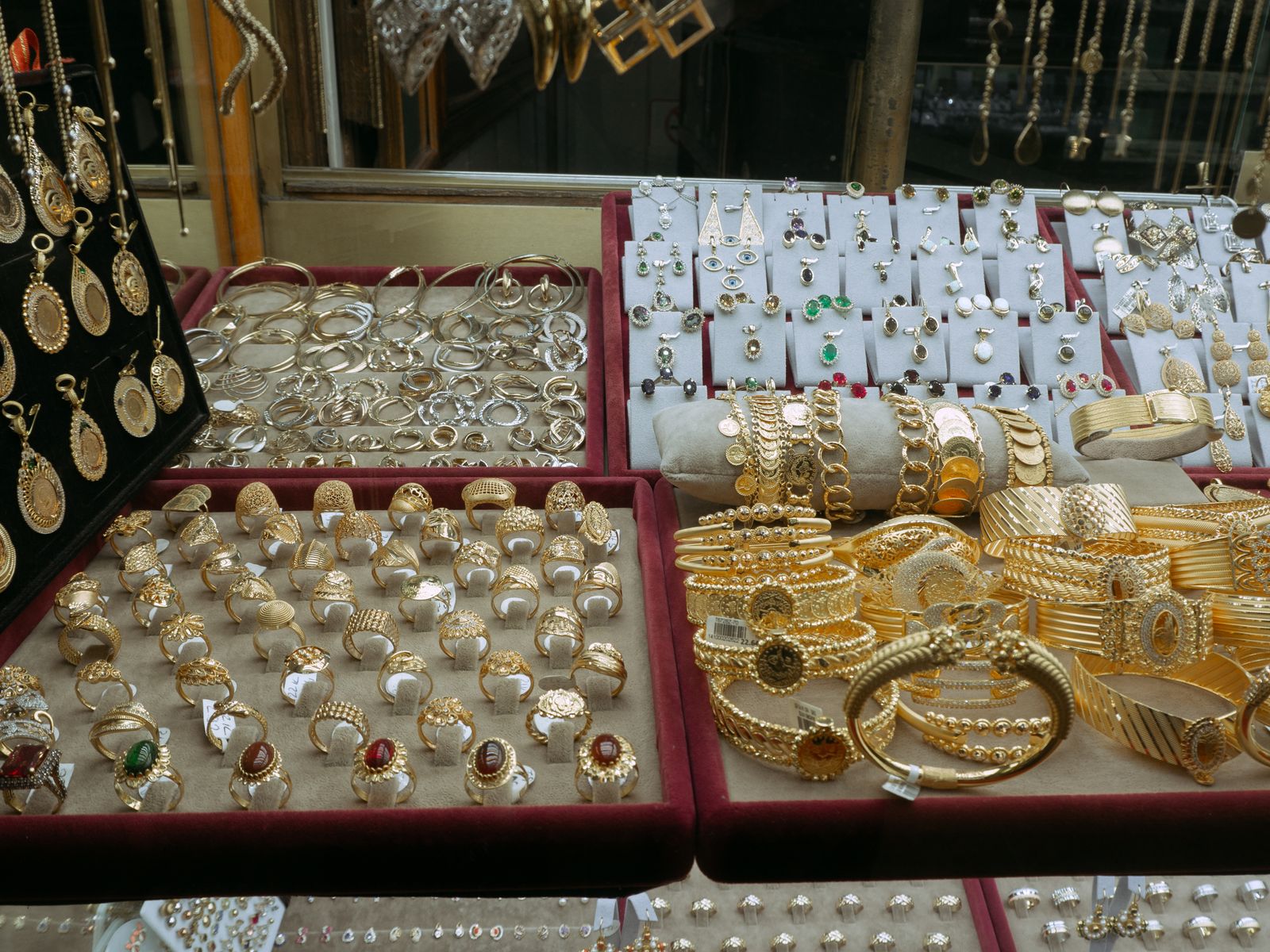
Gold is the metal on which most fine jewelry is built, and yet the system used to describe its purity remains widely misunderstood. The karat — not to be confused with the carat that measures diamond weight — is a ratio, a statement of how much of a given piece is actual gold and how much is alloy. Pure gold is too soft to hold its shape under daily wear, so it is mixed with other metals that lend hardness, alter color, and reduce cost. The proportion of that mixture is what the karat number expresses, and that proportion determines nearly everything about how a piece will perform, how it will age, and what it will be worth. Understanding the karat system is understanding the most fundamental choice a jewelry buyer makes.
The Karat Scale and What It Measures
The karat scale is based on twenty-four parts. Twenty-four-karat gold is, in practical terms, pure — 99.9 percent gold, with only trace elements remaining. Every other karat figure represents a fraction of that whole. Eighteen-karat gold is eighteen parts gold and six parts alloy, or 75 percent pure. Fourteen-karat gold is fourteen parts gold and ten parts alloy, or 58.3 percent. Nine-karat gold, common in the United Kingdom but less so elsewhere, is 37.5 percent. The remaining percentage in each case is made up of metals chosen for their specific properties — silver, copper, zinc, palladium — which is why two pieces of the same karat can differ in color and hardness.
Pure Gold and Its Limitations
Twenty-four-karat gold has a deep, saturated yellow that is immediately recognizable, and it carries the intrinsic value that comes with purity. But it is also exceptionally soft. A ring made of pure gold will scratch, dent, and deform under conditions that a harder alloy would resist, and it will lose its polish quickly. For this reason, pure gold is generally reserved for pieces that receive little physical stress — medallions, certain cultural and ceremonial jewelry, and investment pieces meant to be stored rather than worn. For anything that must endure daily wear, alloying is not a compromise but a necessity.
The Common Purities and Their Trade-offs
Three purities dominate the fine jewelry market — eighteen-karat, fourteen-karat, and, to a lesser extent, nine-karat — and each represents a different balance of color, durability, value, and cost.
Eighteen-Karat Gold
Eighteen-karat gold is the standard for fine jewelry in much of the world, particularly in Europe and Asia, and it represents what many consider the ideal balance. At 75 percent pure gold, it retains a rich, warm color that reads unmistakably as gold, while the 25 percent alloy provides enough hardness for rings, bracelets, and other pieces subject to daily wear. Eighteen-karat holds its polish well, resists scratching better than pure gold, and is less likely to cause skin irritation than lower-karat alloys, which contain a higher proportion of base metals. It is also the standard for many high-end houses, which means a buyer choosing eighteen-karat is choosing a metal that aligns with the broader traditions of fine jewelry. The trade-off is cost: at three-quarters gold, it carries a higher material value than lower-karat alternatives.
Fourteen-Karat Gold
Fourteen-karat gold is the dominant standard in the United States, and it offers a different balance. At 58.3 percent gold, it is harder than eighteen-karat, which makes it more resistant to scratching and deformation, and it is less expensive, which makes it accessible for larger pieces or for buyers working within a budget. The color of fourteen-karat gold is slightly less saturated than that of eighteen-karat — a difference that is subtle but visible when the two are placed side by side. For pieces that will receive heavy wear, such as wedding bands worn daily for decades, the additional hardness of fourteen-karat can be an advantage. The trade-off is a lower intrinsic gold content and a color that, while still recognizably gold, lacks the warmth of the higher karat.
Nine-Karat Gold
Nine-karat gold, at 37.5 percent, is the most durable and least expensive of the common purities, and it has a long history in the British market. Its color is noticeably paler than that of higher purities, and its lower gold content means it carries less intrinsic value. It is, however, exceptionally hard, which suits it to pieces that must withstand significant wear, and its lower cost makes it a practical choice for larger, more decorative pieces where material value is less of a concern than visual impact. A buyer choosing nine-karat should do so with an understanding that the piece is valued primarily for its design and craftsmanship rather than for its metal content.
Color, Alloy, and the Question of Hue
The karat number tells the buyer how much gold is present, but it does not, on its own, determine the color. That is the work of the alloy. Yellow gold is alloyed with silver and copper in proportions that preserve the warm yellow of the metal. Rose gold takes a higher proportion of copper, which lends a pinkish cast that has grown increasingly popular. White gold is alloyed with palladium, nickel, or zinc, and is often plated with rhodium to achieve a bright, silvery finish — a plating that will, over time, wear away and require renewal. The choice of color is partly aesthetic and partly practical: white gold provides the look of platinum at a lower cost, rose gold offers a distinctive warmth that flatters many skin tones, and yellow gold carries the most traditional association with fine jewelry.
Choosing the Right Karat
There is no single correct karat. The right choice depends on how the piece will be worn, what it will be worn with, and what the buyer values. For a piece intended as an heirloom, where intrinsic value and traditional color matter, eighteen-karat is often the choice. For a wedding band that will be worn without removal for fifty years, the hardness of fourteen-karat may be more appropriate. For a bold, decorative piece where cost must be balanced against scale, nine-karat offers a practical route. What matters is that the choice be informed, that the buyer understand what the karat number means and what trade-offs it represents, and that the metal be chosen to suit the piece rather than the other way around. A collection built with this understanding will not only look more coherent but will perform better over the decades it is meant to last.


