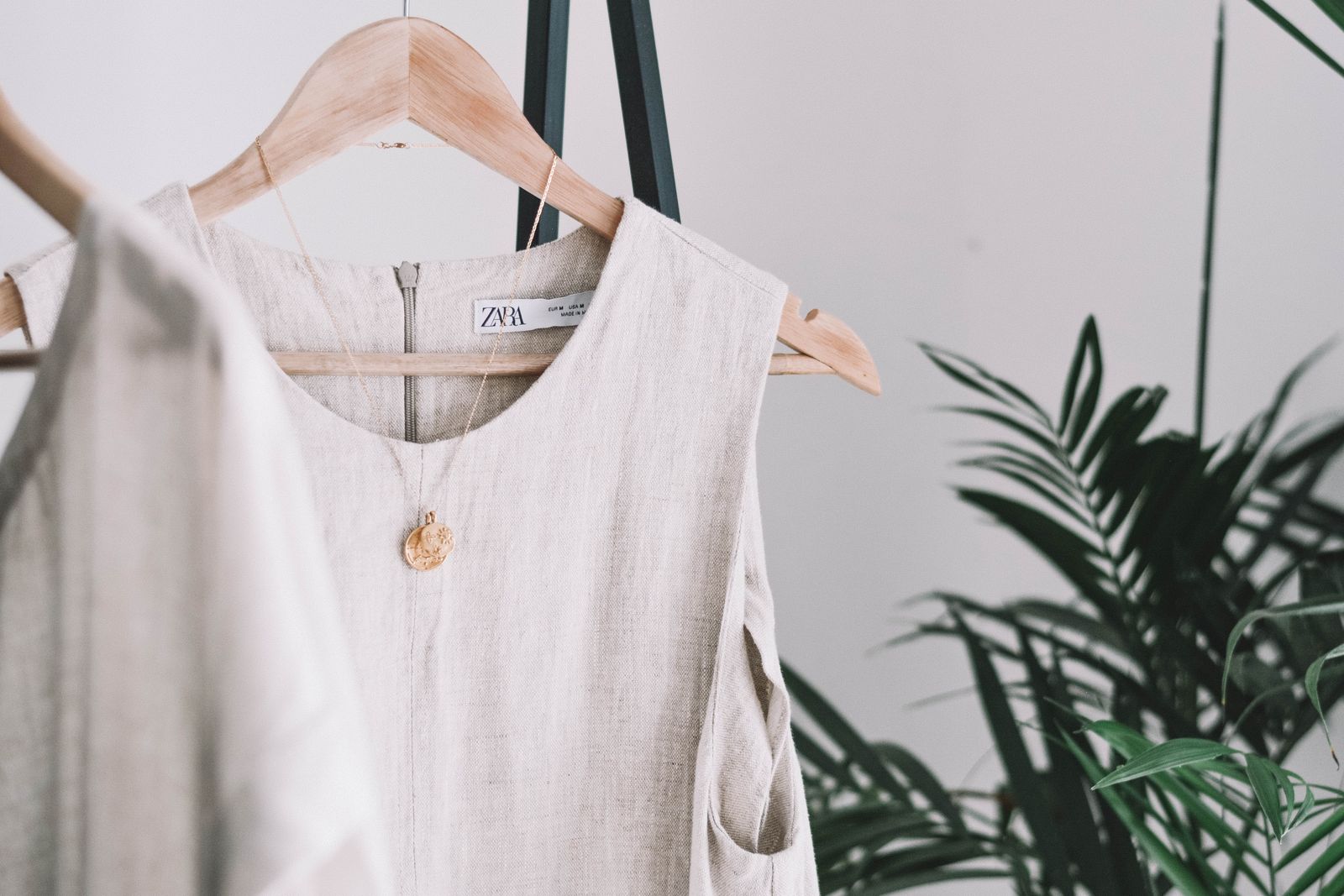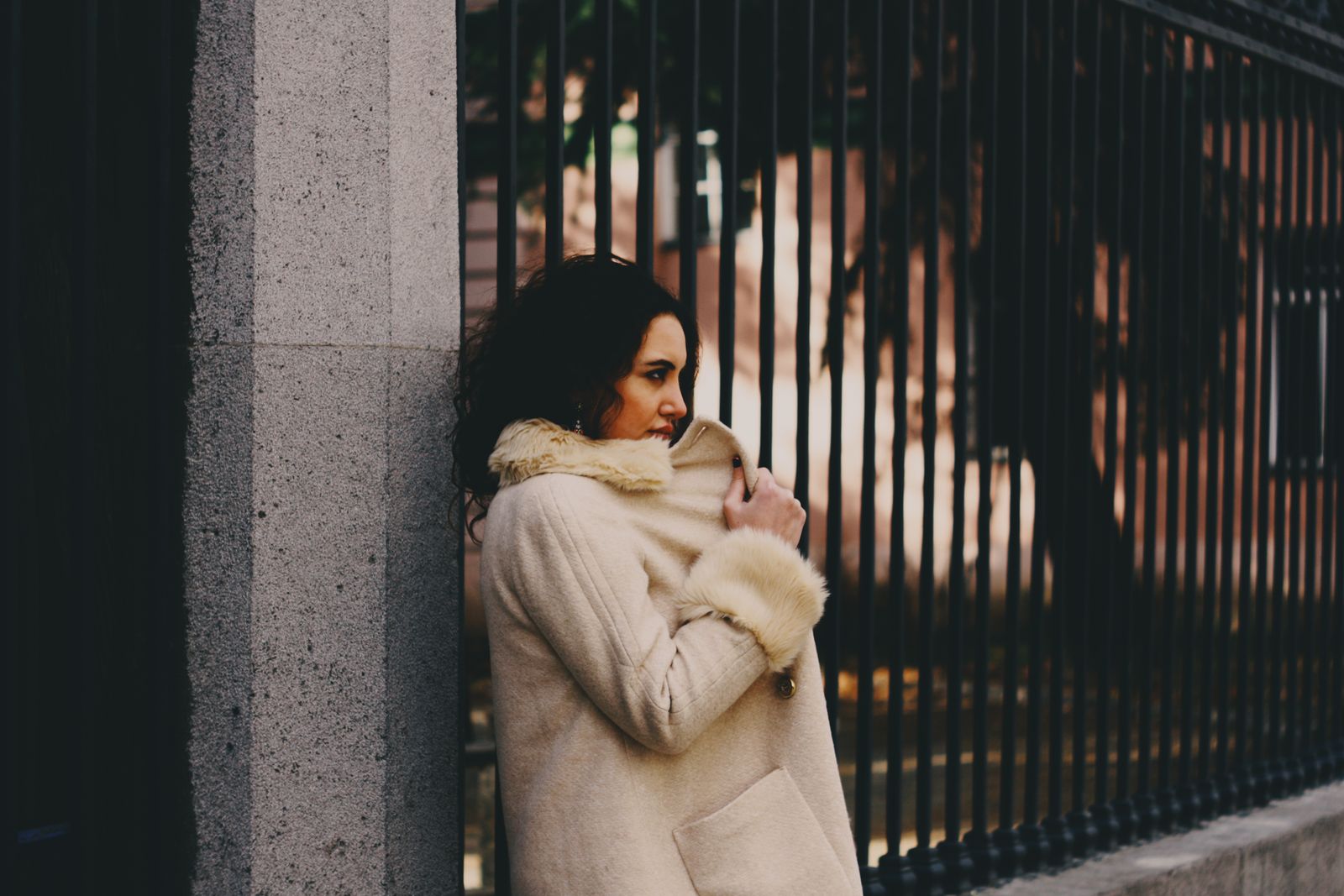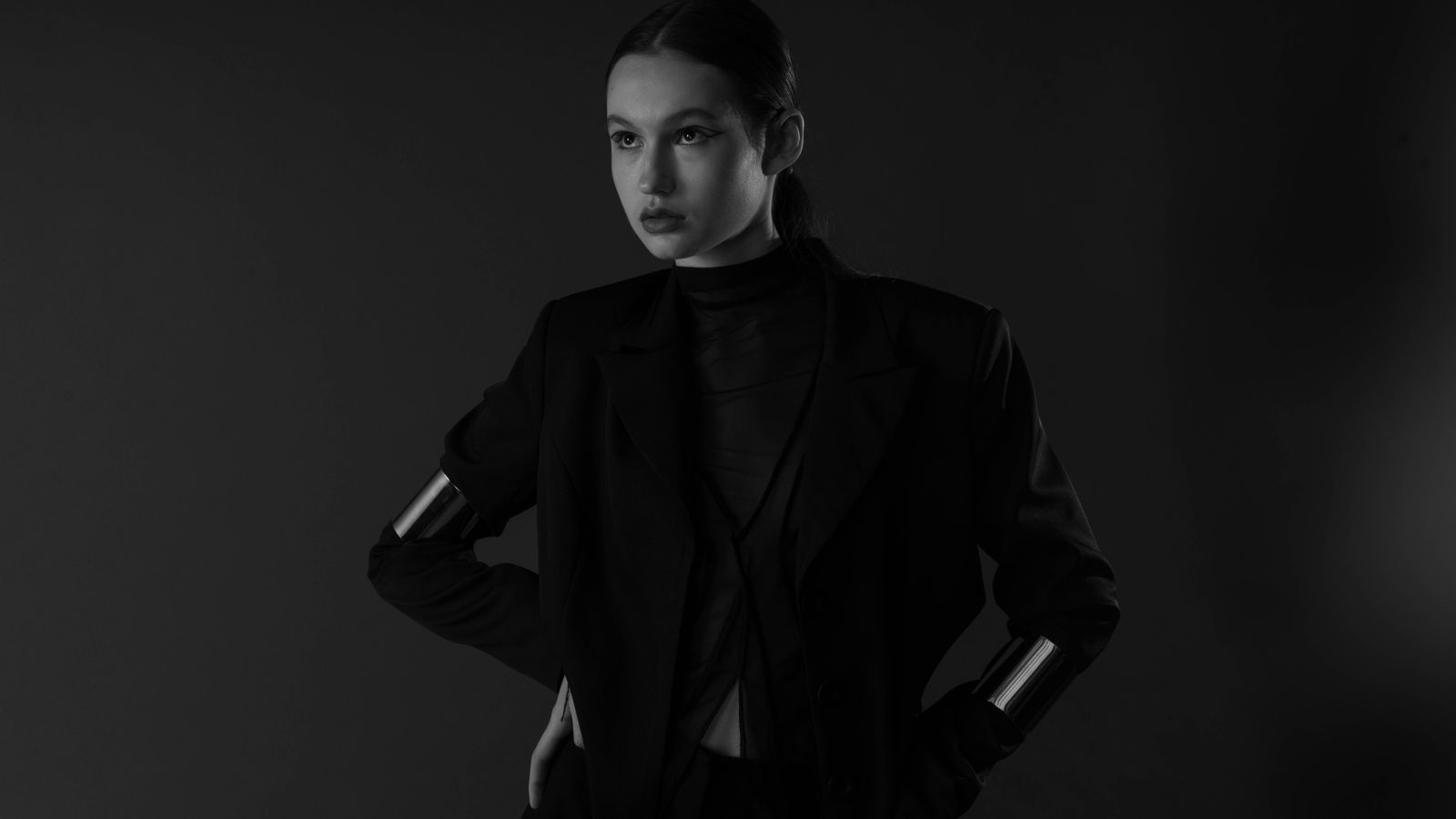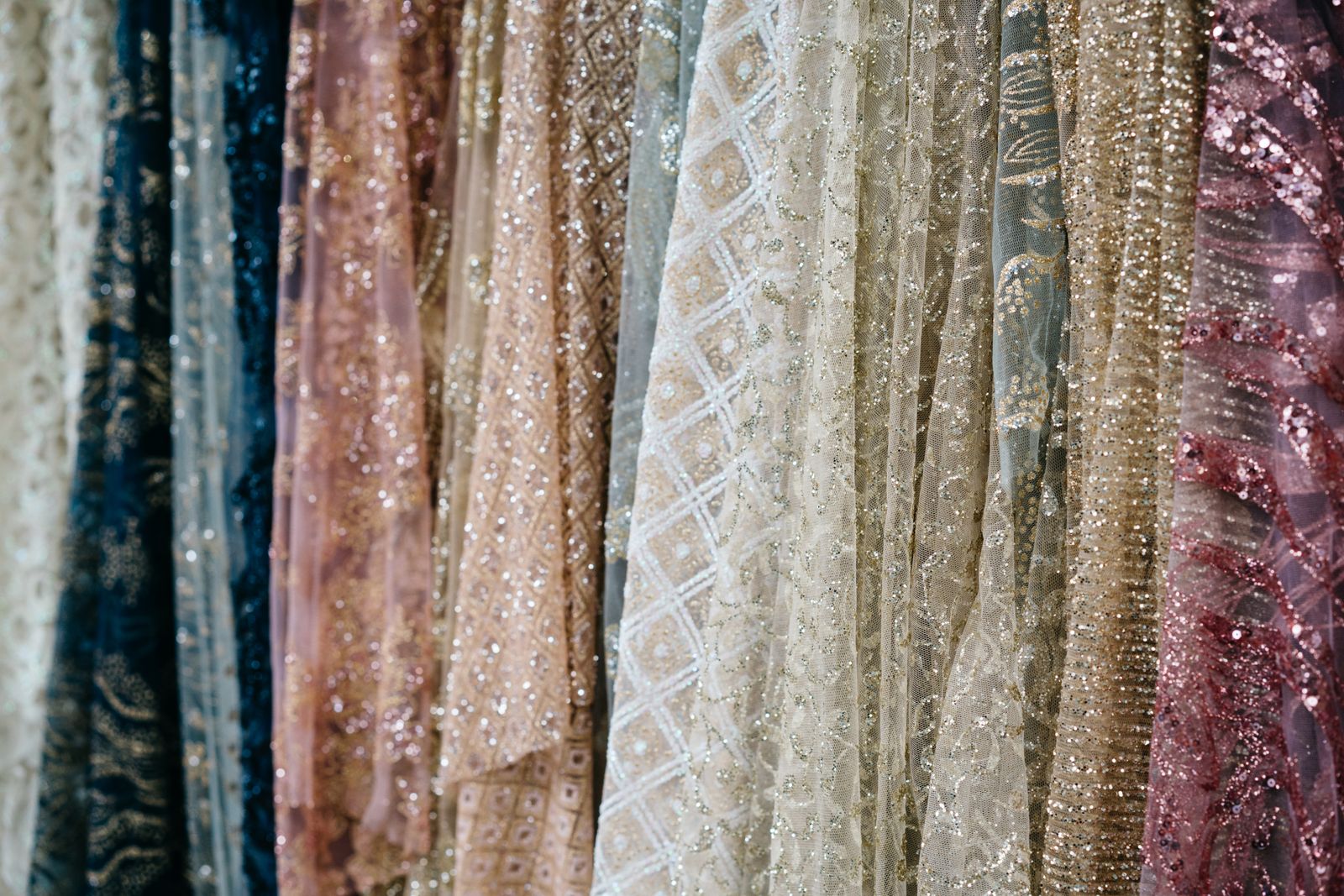
Color has long been the primary tool designers reach for when they want to create contrast and visual interest in a garment or a collection. But as palettes have narrowed toward the warm neutrals and monochromatic schemes that now dominate the runway, a different kind of contrast has stepped into the spotlight. Texture — the feel of a fabric, the way it catches light, the way it sits against the body and against the materials around it — has become the new vocabulary of visual depth. In the autumn 2026 collections, the most memorable looks are not defined by bold color but by the dialogue between materials: the sheen of silk against the matte of suede, the structure of leather against the softness of cashmere, the crispness of organza against the fluidity of fine wool.
This turn toward texture is a natural consequence of the broader trends shaping contemporary fashion. The rise of warm neutral palettes, the quiet luxury movement, and the emphasis on material quality have all pushed designers toward a more tactile understanding of their craft. When you remove color and logo from the equation, what remains is the fabric itself — and the way different fabrics interact becomes the primary source of visual interest. Texture play is, in this sense, the aesthetic logic that emerges when everything else is stripped away.
The Logic of Texture Contrast
Texture contrast works on a simple principle: the eye reads difference, and the greater the difference between two materials, the more dynamic the combination. But not all contrasts are equal, and the art lies in choosing pairings that create tension without chaos.
Sheen Against Matte
One of the most effective textural contrasts pairs a fabric with a natural sheen against one with a matte, absorbent surface. Silk or satin against suede or raw wool creates a visual push and pull — the light catches one surface and sinks into the other, producing a sense of depth that no single material can achieve alone. This is the principle behind some of the season's most striking evening looks: a silk blouse under a matte wool jacket, or a satin skirt paired with a chunky knit. The contrast is not loud, but it is unmistakable, and it rewards the kind of close attention that defines contemporary luxury.
Structure Against Fluidity
A second axis of contrast involves the structural properties of materials — the way a fabric holds or falls. Leather, with its firmness and architectural quality, set against the fluid drape of silk or the soft movement of fine wool, creates a dialogue between rigidity and ease. The combination feels modern because it mirrors the way people actually want to dress: structured where it matters, relaxed where it can be. A leather jacket over a silk slip, or a structured wool coat worn with a fluid, lightweight trouser, embodies this balance. The structure gives the look its shape and its confidence; the fluidity gives it its life.
The Pairings Defining the Season
Certain material combinations have recurred across multiple collections, establishing themselves as the signature pairings of the moment. Suede and silk — the buttery softness of the former against the liquid smoothness of the latter — has appeared in everything from daywear to evening, often in tonal combinations that let the texture do all the work. Cashmere and organza, a more unexpected pairing, places the dense warmth of the knit against the airy, translucent crispness of the silk fabric, creating a contrast that is as much about weight and transparency as about surface. Wool and leather, the most architectural of the season's pairings, brings together two materials with deep heritage in tailoring and outerwear, finding new life in their juxtaposition.
What unites these combinations is a refusal to let any single material dominate. The point is the relationship between them — the way each one makes the other more interesting, more legible, more itself. A cashmere sweater worn alone is simply a sweater. The same sweater worn under an organza-trimmed jacket becomes a study in contrast, a deliberate composition that asks to be read closely. This is texture play's essential contribution: it transforms dressing from a matter of individual pieces into a practice of combination, where the whole is always more than the sum of its parts.
Building Texture Into the Everyday Wardrobe
The good news for anyone looking to bring texture play into their own wardrobe is that the principle requires no special purchases — only a new way of thinking about the pieces you already own. The first step is simply awareness: noticing the surface quality of each garment, the way it catches light, the way it feels against the skin and against other fabrics. From there, the practice becomes one of deliberate contrast. Pair the smoothest thing in your wardrobe with the most textured. Set a matte fabric against something with a subtle sheen. Let a structured piece share an outfit with something fluid. The combinations are infinite, and the results are often more interesting than anything a single bold color could achieve. In a fashion moment defined by restraint, texture is where the personality lives.