Few garments have traveled so far, so fast, as the wide-leg trouser. A decade ago, the silhouette was a niche preference — favored by a small circle of stylists and fashion editors but largely absent from the mainstream. The dominant pant of the era was slim, tapered, and ankle-baring, a cut that clung to the leg and defined the shape of a decade of dressing. Today, that pant has all but vanished from the runway, replaced by something almost diametrically opposed: a trouser cut full through the thigh, sweeping from the hip to a generous hem that breaks softly at the shoe. The wide-leg trouser is no longer a trend. It has become the default, the silhouette against which all others are now measured.
The speed of this shift is remarkable, but its durability is more so. Trends in fashion often burn bright and brief, but the wide-leg trouser has shown staying power that suggests something deeper than a passing preference. It has survived several seasons, absorbed into collections from the most conservative heritage houses to the most avant-garde independents, and crossed from the runway into street style with a thoroughness that few silhouettes achieve. The question is why this particular cut has resonated so widely, and what it tells us about the direction of contemporary fashion.
The Anatomy of the Modern Wide-Leg
Not all wide-leg trousers are created equal, and the silhouette's current dominance rests on a specific set of proportions that distinguish the modern version from its predecessors in earlier decades.
The High Waist and the Full Break
The contemporary wide-leg trouser typically sits at or above the natural waist, a detail that does more than simply reference mid-century tailoring. The higher rise elongates the leg and creates a clean line from hip to hem, allowing the fullness of the cut to read as elegant rather than overwhelming. Equally important is the break — the point where the hem meets the shoe. The modern wide-leg is cut long, often grazing the ground or pooling slightly at the front, a choice that maximizes the sweep of the fabric as the wearer moves. This is a trouser designed to be seen in motion, where the fabric catches air and creates a sense of fluidity that no slim cut can match.
Weight and Drape
The success of the wide-leg silhouette depends almost entirely on the weight and drape of its fabric. A lightweight, limp fabric will collapse and cling, losing the clean line that gives the cut its power. The modern wide-leg requires cloth with enough body to hold its shape as it falls — a substantial wool, a crisp cotton sateen, or a structured blend that resists wrinkling while maintaining movement. This is why the silhouette has flourished alongside the broader return of tailoring and the renewed appreciation for fabric quality. The wide-leg trouser is, in a sense, a garment that demands the infrastructure of traditional menswear mills to achieve its best effect.
Why the Silhouette Endures
The wide-leg trouser's staying power can be attributed to several factors that converge on a single quality: comfort without compromise. After years of restrictive, body-conscious clothing, the wide-leg offers a silhouette that is forgiving, breathable, and easy to wear, yet reads as polished and intentional rather than casual. It bridges the gap that the athleisure era never quite closed — the desire for comfort and the desire for elegance — in a single garment.
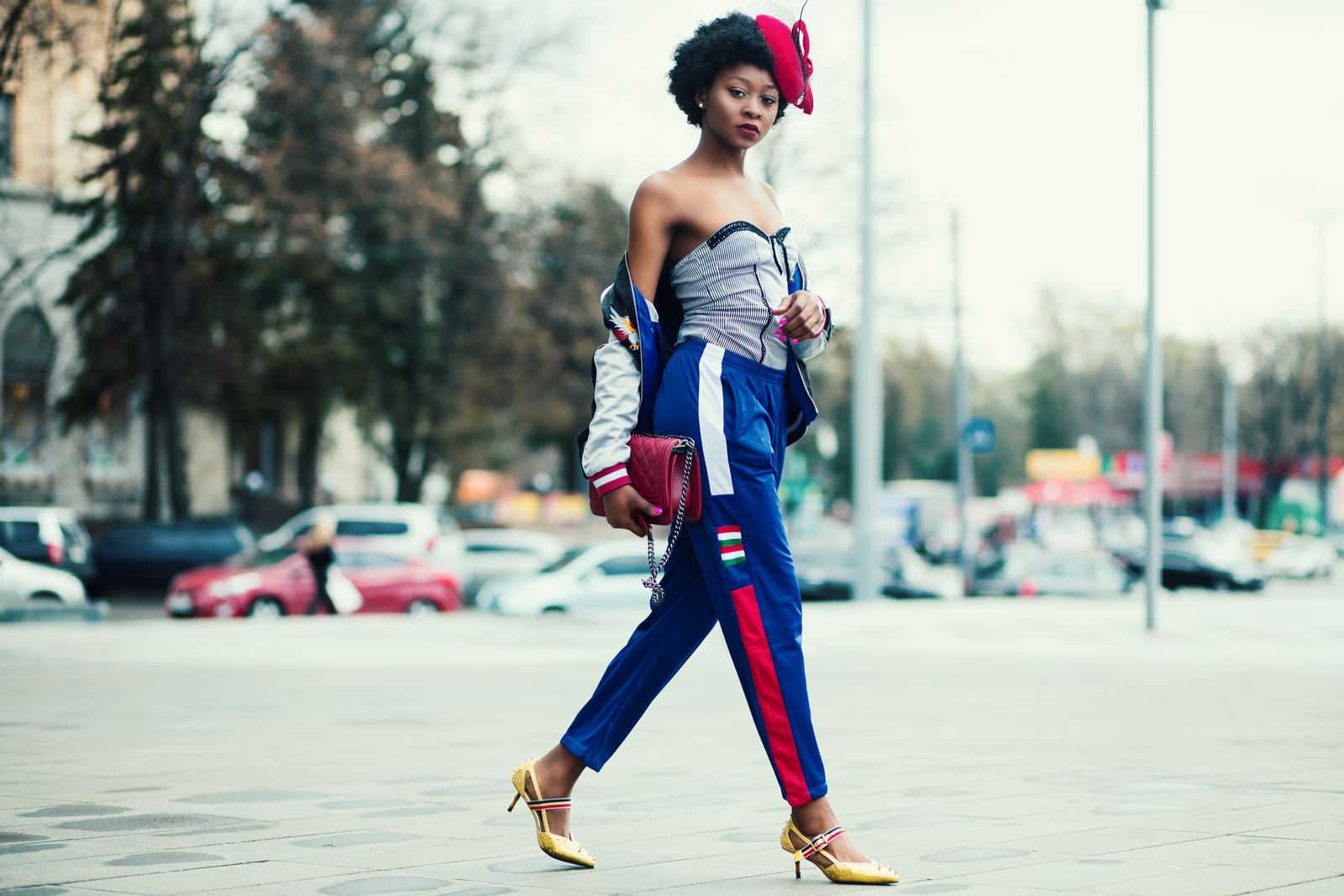
The silhouette also photographs beautifully, which in a social-media-saturated fashion culture is no small advantage. The movement of the fabric, the clean line from waist to hem, and the way the cut frames the shoe all translate powerfully to image. But beyond the visual, the wide-leg trouser has endured because it works across an unusually wide range of contexts. Paired with a tailored jacket, it reads as formal. Worn with a fine knit, it becomes office-appropriate. Set against a simple t-shirt, it elevates the casual. Few garments offer this degree of versatility while maintaining such a distinctive identity.
Styling the Wide-Leg for Real Life
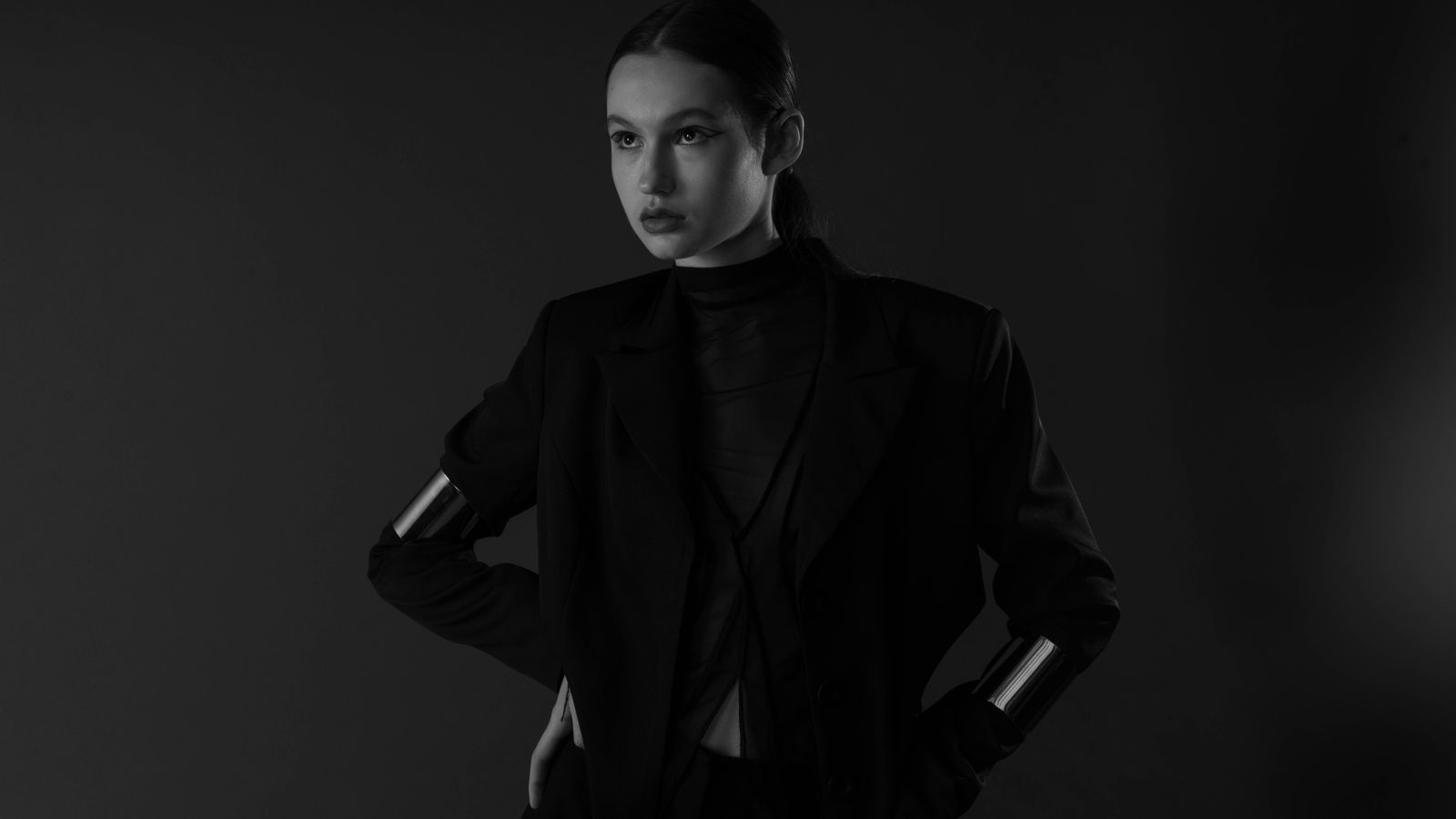
For all its virtues, the wide-leg trouser presents a styling challenge that the slim pant did not: it demands balance. Because the cut is full through the leg, the rest of the outfit must be considered in relation to that volume. The most common and effective approach pairs the wide leg with a more fitted or tucked top, preserving a sense of proportion and preventing the overall silhouette from reading as shapeless. A fine-gauge knit tucked into the waistband, a fitted blazer, or a cropped jacket all serve this function. Footwear matters as well — a substantial shoe or a low heel grounds the volume of the trouser and prevents the hem from overwhelming the frame.
The wide-leg trouser also rewards confidence in fabric and color choice. Because the silhouette is the statement, the fabric and color should support rather than compete with it. A well-made wool in a warm neutral, a crisp cream cotton, or a deep chocolate flannel allows the cut to do the talking. The result is a garment that feels current without chasing trend, polished without rigidity, and comfortable without sacrificing the sense of intention that defines contemporary elegance. The wide-leg trouser has earned its place as the defining silhouette of the moment, and its endurance suggests it will be shaping wardrobes for seasons to come.